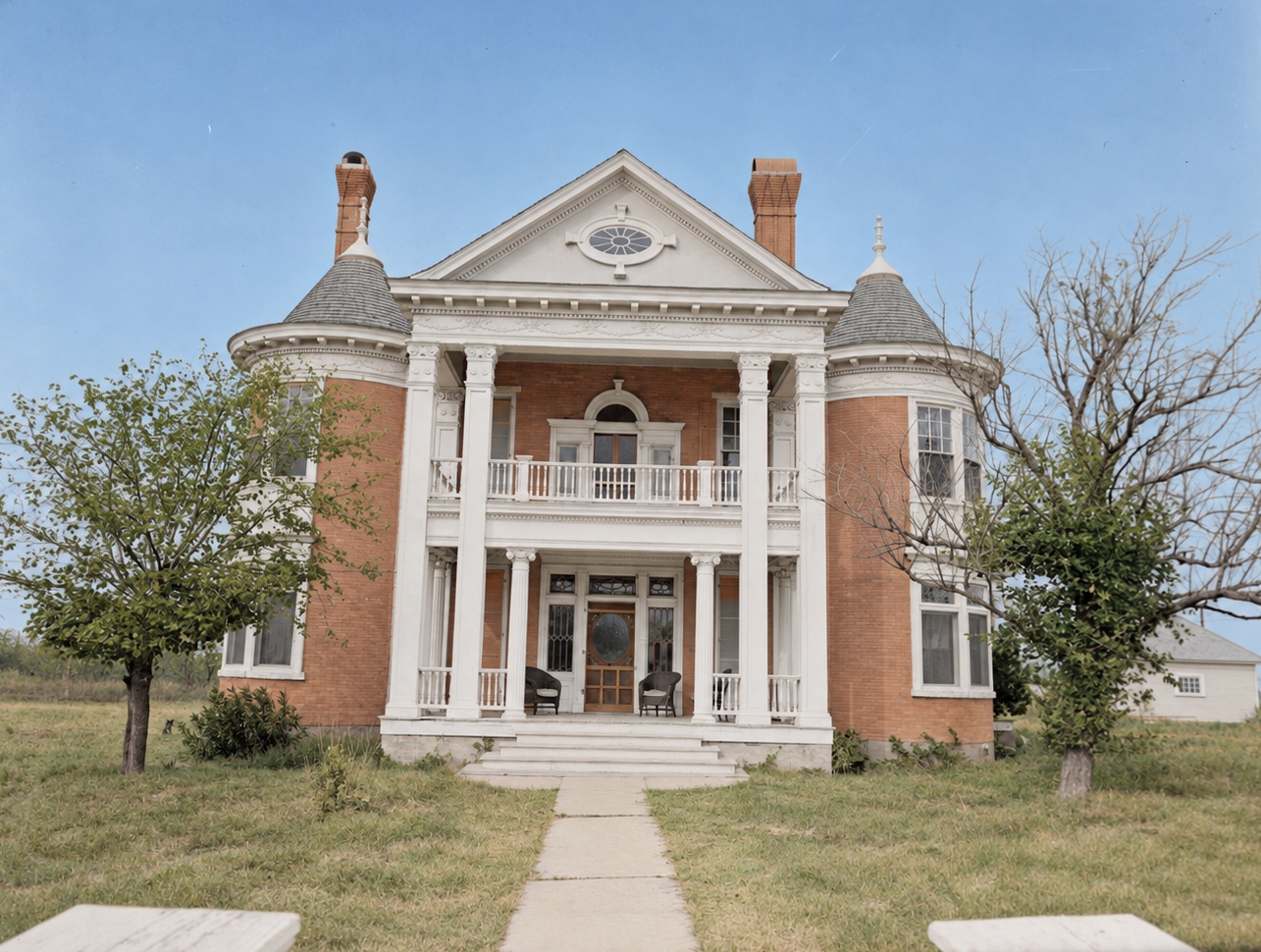
At the time, no separate legislative appropriation had been made for additional stadium seating. Oral histories preserved by LSU Libraries recall that money was available for dormitories, not stands, so the residence blocks were integrated into the stadium structure with seating built above.
This configuration addressed demand for low cost men's housing during the Depression. It also allowed Tiger Stadium to expand beyond its original 1924 capacity, turning a budget rule into a physical constraint that shaped the stadium's form.
Modular Design Under Depression Constraints
- In the 1930s, LSU used dormitory funds to build residence blocks into Tiger Stadium's structure, adding housing and seating in one project.
- East and west stadium dorms built between 1932 and 1935 housed about 1,500 students and increased capacity to roughly 22,000 seats.
- A 1936 north addition repeated the dorm-and-stands pattern and raised capacity to about 46,000, enabling further incremental growth.
- Oral histories from the architect's family describe professional unease with the hybrid design but emphasize its role as low cost men's housing.
- Research on modular architecture principles from Penn State aligns with how the stadium dorms functioned as repeating units with stable interfaces.
- The project illustrates how constrained funding can drive modular, multiuse design strategies that support deliberate, staged expansion.
Fiscal Constraints Shape a Dual-Purpose Plan
LSU Housing credits graduate manager of athletics Thomas 'Skipper' Heard with proposing dormitories under enlarged concrete stands. This was a way to meet housing needs and add capacity, a plan supported by university president James M. Smith and Governor Huey P. Long.
According to the same university account, construction of the east-side dormitory wing began in 1932, followed by a matching west-side wing in 1935. The combined project housed roughly 1,500 students and increased stadium capacity to about 22,000 seats.
An oral history presentation in the LSU Libraries collections recounts that Long directed the dormitories to be built into the stadium. This was done to use available residence-hall funds when no stadium appropriation existed, framing the entire project administratively as housing rather than an athletic facility.
For a public university operating in the early 1930s, this arrangement reduced the need for new legislative action while still expanding a key campus asset. Later histories note it as a formative episode in Tiger Stadium's growth.
More Business Articles



Engineering a Load-Bearing Dormitory
The dormitory blocks formed the base of the east and west stands, with reinforced concrete rooms supporting the seating and concourses above. This is described in university housing histories and recollections from the architect's family.
In a 1983 oral history compiled by LSU Libraries, Carrie Richardson recalled that her father, architect Hamilton Richardson, 'was very provoked though two or three years later after it was built. They made him put rooms under all that, rooms to make, and he just thought that was a terrible idea.'
In the same presentation, Roger Richardson explained that the Depression era project sought low cost housing for men. Building rooms within the existing structure allowed the university to provide accommodation at a lower cost than constructing a separate residence hall.
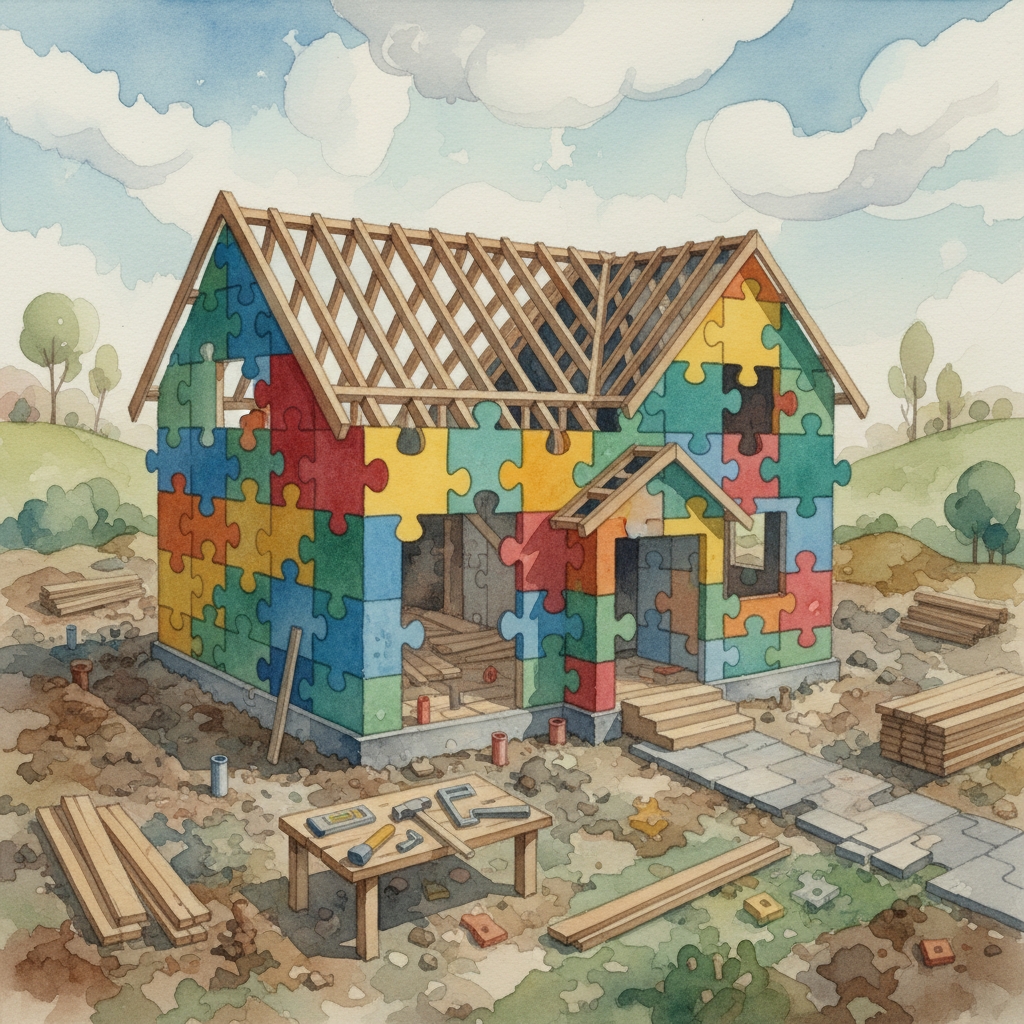
Viewed through contemporary architectural language, the dorm rooms functioned as repeating structural units. They could serve as habitable space and as a load-bearing grid for the terraces above, allowing future engineers to treat each bay as a standardized piece of a larger system.
From Prototype to Incremental Expansion
A north-side expansion completed in 1936 extended the same pattern of dormitory space beneath new stands. This brought additional beds and increased Tiger Stadium's capacity to roughly 46,000 seats, according to LSU Housing.
Later south-end additions and renovations continued to build on this structural base. Rouses Markets notes that the venue eventually reached a capacity of more than 100,000 seats after successive mid twentieth century and early twenty first century projects.
Students continued to live in the stadium dormitories into the late 1980s. NOLA.com reports that the spaces were removed from housing use only after newer residence halls became available.
In that account, alumnus Steve Scalise, who lived in a stadium dorm in 1984, described the housing as 'not one of the premier dorms on campus' but added that he 'wouldn't trade it for anything in the world'. This illustrates how residents experienced the hybrid as both functional accommodation and distinctive campus setting.
Modular Principles Under Scarcity
Modular architecture typically describes systems built from self-contained units with defined interfaces. Designers can rearrange or extend them without rebuilding the whole structure.
Although the Tiger Stadium project predated this terminology, its dorm blocks resembled such modules. Each room bay combined housing, circulation, and structure in a standardized form that could be repeated along the stadium's length and replicated in later additions.
A 2020 study by Mesa, Esparragoza, and Maury at Penn State on modular architecture principles outlined how clear component boundaries and stable connection rules can support sustainable, open product platforms. This is summarized on a Penn State research portal.
The stadium-dorm integration did not intentionally follow these later principles, but observers can identify similar patterns. These include functional separation between housing and seating and the use of a regular grid of rooms as a practical interface for future structural work.
Contemporary Lessons for Designers
First, constrained projects benefit from defining a basic unit that meets an urgent need while preserving options for later layers of function. LSU did this when it treated a dorm room that could also support stands as the central design module.
Second, keeping structural and organizational interfaces stable can reduce the cost of change. Tiger Stadium's repeated dorm bays and consistent stand geometry allowed the 1936 north addition to be designed as an extension rather than a new facility.
Third, deliberate emergence can be built into infrastructure by planning modules so that small, funded increments accumulate into larger systems. This avoids the need for a single comprehensive project. The stadium dorms demonstrate how housing phases provided immediate value while enabling future seating growth.
For architects, campus planners, and product teams, the Tiger Stadium case offers a historical example. It shows how fiscal rules and program constraints can influence module choice and interface design in ways that shape a system's evolution for decades.
As public institutions confront new budget limits and space pressures, the long life of LSU's stadium dorm foundations suggests a key insight. Designs created to navigate specific funding rules can become durable parts of the built environment when their components are both useful on their own and organized for later extension.
Sources
- LSU Housing. "100 Years of Tiger Stadium: The Barracks." Louisiana State University, 2024.
- LSU Libraries Special Collections. "Oral History: LSU Football Richardson Presentation." Louisiana State University, 1983.
- NOLA.com staff. "When Death Valley had dorms: The story behind the rooms under Tiger Stadium." NOLA.com, 2024.
- Rouses Markets editorial team. "The Dorms at Death Valley." Rouses Markets, 2024.
- Mesa, J. A.; Esparragoza, I.; Maury, H. "Modular Architecture Principles–MAPs: A Key Factor in the Development of Sustainable Open Architecture Products." Penn State University, 2020.
Article Credits